Hair loss affects millions of men and women globally and continues to be a growing concern in both aesthetic and medical dermatology. One of the most promising and natural treatment solutions today is Platelet-Rich Plasma (PRP) therapy. But when paired with biotin (Vitamin B7), the regenerative power of PRP reaches new levels. This is where PRP tubes with biotin come in—a dual-component PRP preparation approach used to support hair follicle repair, enhance scalp health, and promote visible regrowth.
Whether you’re a dermatologist, aesthetic injector, or hair clinic specialist, these tubes are quickly becoming a established clinical option in hair rejuvenation protocols. In this article, we’ll break down everything you need to know—from how they work, to why they’re effective, to how they compare with standard PRP tubes.
In clinical practice, many hair restoration specialists use PRP tubes with pre-mixed biotin to standardize nutrient delivery and simplify PRP preparation.
What Are PRP Tubes with Biotin?
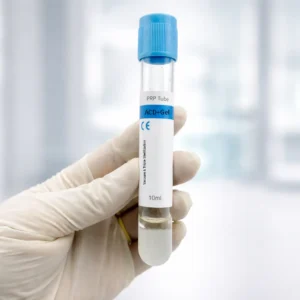
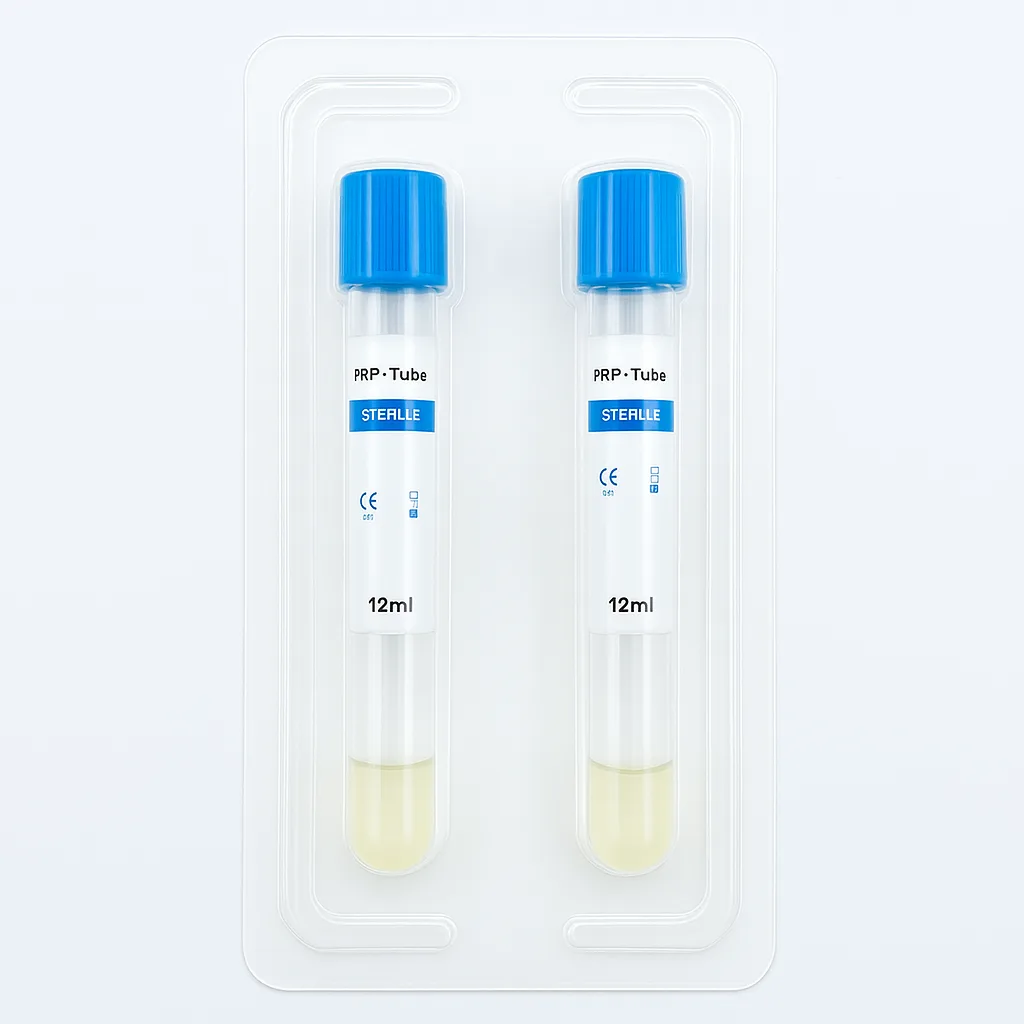
PRP tubes with biotin are advanced, single-use vacuum blood collection tubes designed to enhance the effectiveness of Platelet-Rich Plasma (PRP) therapy for hair loss, scalp rejuvenation, and aesthetic skin treatments. These specialized tubes come pre-filled with two key components:
- ACD (Anticoagulant Citrate Dextrose): Prevents blood clotting, ensuring platelet viability and allowing for proper PRP extraction during centrifugation.
- Biotin (Vitamin B7): A water-soluble B-complex vitamin essential for keratin production, follicle strength, and overall scalp health.
By combining these two elements, the tubes allow professionals to extract high-quality PRP while simultaneously enriching it with the therapeutic benefits of biotin—a nutrient long recognized for supporting stronger, thicker hair and healthier skin.
Why Use Biotin in PRP Tubes?
Biotin (Vitamin B7) plays a key role in hair follicle health, keratin infrastructure, and cellular metabolism. When paired with PRP, it creates a complementary interaction between regenerative medicine and nutritional therapy.
Here’s why biotin makes a difference in PRP applications:
- Supports Keratin Production: Keratin is a structural protein in hair, and biotin helps enhance its synthesis for stronger strands and less breakage.
- Improves Hair Thickness & Growth: Biotin nourishes hair follicles from within, helping to reactivate dormant follicles and strengthen weak roots.
- Hydrates the Scalp: By supporting lipid metabolism, biotin may improve scalp hydration, which is essential for healthy hair growth.
- Optimizes PRP Efficacy: The inclusion of biotin complements PRP’s growth factor delivery by adding a vitamin essential to follicle regeneration.
For individuals suffering from androgenetic alopecia, hair thinning, or postpartum hair loss, PRP with biotin offers a more holistic, scientifically informed approach.

How Does the PRP Tube with Biotin Work?
The PRP with Biotin process follows a simple, four-step clinical workflow:
- Blood Collection
A small amount of the patient’s blood is drawn into the PRP tube pre-filled with biotin and anticoagulant. The closed system ensures sterility and prevents clotting. - Centrifugation
The tube is placed into a centrifuge, where it spins at high speeds (typically 1900 RCF for 10 minutes). This separates the blood into its components: red blood cells, white blood cells, platelet-poor plasma, and platelet-rich plasma (PRP). During this process, biotin is naturally infused into the PRP layer. - Extraction
The biotin-enriched PRP is carefully extracted using a sterile syringe. This enriched plasma now contains not only platelets and growth factors, but also a therapeutic dose of Vitamin B7. - Application
The PRP tube with Biotin solution is administered via scalp injection, microneedling, or mesotherapy. Once delivered, growth factors may support follicle repair processes, while the biotin supports keratin production and cellular metabolism—accelerating both hair regrowth and scalp healing.
Clinical Considerations When Using PRP Tubes with Biotin
1. Enhanced Hair Regrowth
Biotin (Vitamin B7) supports keratin infrastructure and is essential for healthy hair. When combined with platelet-rich plasma (PRP), which contains concentrated growth factors, the result is a powerful regenerative solution that nourishes hair follicles from within. This can help reduce shedding, improve hair thickness, and reactivate dormant follicles.
2. Stronger, Healthier Hair
The PRP + Biotin synergy enhances the quality of new hair growth by improving follicle health, supporting protein synthesis, and restoring essential nutrients that many patients lack—especially those suffering from thinning or brittle hair.
3. Natural-Looking Results
Because the treatment uses autologous plasma (your own blood), the results blend naturally with existing hair, reducing the risk of rejection or unnatural texture. The addition of biotin accelerates visible results with improved shine, density, and manageability.
4. Dual-Action Treatment in One Tube
By integrating biotin into the PRP collection tube, you save time and ensure uniform biotin concentration. This simplifies the procedure and reduces the need for separate supplements or topical applications.
5. Safe and Well-Tolerated
This treatment is minimally invasive and typically associated with little to no downtime. Biotin is well-tolerated by the body and enhances the overall safety profile of PRP hair treatments.
FAQs About PRP Tubes with Biotin
💬 What is biotin and why is it important for hair?
Biotin (Vitamin B7) is a water-soluble B-complex vitamin that plays a key role in maintaining healthy skin, nails, and hair. It supports keratin production and helps strengthen hair follicles.
💬 Can PRP with biotin treat all types of hair loss?
Clinical use commonly focuses on early-stage androgenetic alopecia, hair thinning, and post-partum hair loss. Outcomes vary based on patient condition and protocol design.
💬 How often should the PRP with biotin treatment be done?
Clinical protocols often involve multiple sessions spaced several weeks apart, followed by maintenance sessions, depending on practitioner assessment. Most clinics recommend 3–4 sessions spaced 4–6 weeks apart, followed by maintenance sessions every 4–6 months, depending on patient response and goals.
💬 Is PRP with biotin safe?
Yes. Since the plasma is autologous (from the patient’s own blood) and biotin is a naturally occurring vitamin, the risk of adverse reactions is minimal.
💬 Can I use these tubes with a regular centrifuge?
Yes. IPPOCARE’s PRP + Biotin tubes are compatible with standard swing-out and fixed-angle centrifuges. We recommend 1900 RCF for 10 minutes for optimal separation.
PRP Tube with Biotin vs. Classic PRP Tube: What’s the Difference?
| Feature | Classic PRP Tube | PRP Tube with Biotin |
|---|---|---|
| Additive | ACD + Gel only | ACD + Gel + Biotin |
| Intended Use | Skin, joints, scalp | Hair rejuvenation & scalp focus |
| Supplement Integration | Not included | Pre-dosed Biotin (Vitamin B7) |
| Clinical Focus | Regeneration via growth factors | Regeneration + follicle nutrition |
| Target Users | General aesthetics, Hair clinics | Hair clinics, dermatologists |
Biotin-enriched PRP tubes offer a targeted approach for hair regrowth while maintaining the fundamental regenerative benefits of standard PRP.
Choosing Certified PRP Tubes for Clinical Use
When selecting PRP tubes for clinical applications, practitioners should prioritize regulatory compliance, material safety, and consistency in preparation outcomes. Certified PRP tubes help ensure that platelet separation, anticoagulation, and handling meet established medical device standards.
Clinics commonly evaluate PRP tubes based on factors such as CE marking, ISO 13485 certification, sterility validation, and compatibility with standard centrifugation systems. These certifications indicate that the device has been manufactured under controlled quality systems and is intended for professional medical use.
For hair restoration protocols, clinicians may also consider whether PRP tubes support standardized preparation workflows, minimize handling steps, and reduce variability between sessions. Consistency at the preparation stage plays an important role in maintaining predictable clinical protocols, particularly in treatments involving repeated sessions over time.
Selecting certified PRP devices allows clinics to align with regulatory expectations while maintaining reproducible preparation practices across hair restoration and scalp-focused procedures.
📅 Last Updated: January 23, 2026