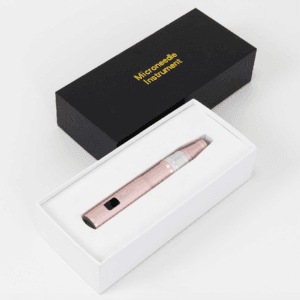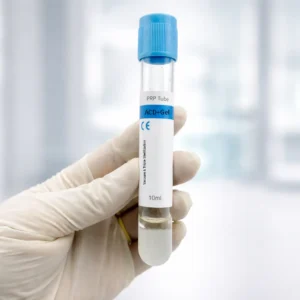
Hair loss is one of the most frustrating challenges for both men and women. Hair restoration is evolving. While traditional treatments often yield slow results, the synergy of scalp microneedling and multi-peptide serum is emerging as a powerful, non-surgical solution for androgenetic alopecia, post-partum shedding, and stress-related thinning.
What is Scalp Microneedling for Hair Loss? (Collagen Induction Therapy)
Scalp microneedling uses a handheld device, such as a Dermapen or derma roller, to create controlled micro-injuries. These micro-channels trigger the body’s natural healing response, stimulating:
- Trigger collagen and elastin production
- Improve blood circulation to hair follicles
- Release growth factors that support follicle regeneration
- Open microchannels for deeper serum penetration
When paired with a bioactive serum, scalp microneedling becomes a highly effective treatment for hair loss and thinning.
What is Multi-Peptide Serum?
IPPOCARE’s Multi-Peptide Serum for Hair is a professional-grade formulation designed specifically for scalp rejuvenation and hair restoration treatments. Unlike cosmetic serums that focus only on skin hydration, this serum delivers targeted bioactive peptides directly to the scalp to stimulate follicle regeneration and combat hair loss.
Key Active Ingredients
- Biotinoyl Tripeptide-1 – Improves microcirculation in the scalp, strengthens follicle anchoring, and reduces shedding.
- Decapeptide-18 – Reactivates dormant follicles, encouraging new hair growth.
- Acetyl Tetrapeptide-3: Reduces hair fall and improves structural stability.
- Glycyl-L-Histidyl-L-Lysine (GHK-Cu) – A copper peptide that boosts collagen production and supports tissue regeneration, creating a healthier scalp environment.
- Hyaluronic Acid (optional variant) – Deeply hydrates the scalp, ensuring better nutrient delivery and comfort during microneedling sessions.
How It Works
This carefully balanced peptide complex targets multiple biological pathways involved in hair thinning:
- Stimulates collagen and extracellular matrix proteins for stronger follicle support
- Reduces inflammation and oxidative stress in the scalp
- Enhances nutrient penetration when paired with microneedling
- Creates an optimal environment for hair density and thickness restoration
Why Choose IPPOCARE Multi-Peptide Serum?
🌍 Trusted worldwide – Used by professionals for hair loss management, including androgenetic alopecia, post-partum shedding, and stress-related thinning
🧪 Clinically inspired formula – Developed for both clinical treatments and professional home care use
🔒 Triple-sterilized and CE-certified – Meets medical-grade safety standards
📦 Convenient treatment cycle – Available in 6-bottle sets, designed to match a complete 6-session protocol used by dermatologists and hair restoration clinics

How Scalp Microneedling with Multi-Peptide Serum Works for Hair Loss?
Scalp microneedling for hair restoration combines two powerful approaches: mechanical stimulation of the scalp and targeted delivery of bioactive peptides. Together, these processes create the ideal environment for hair regrowth and follicle revitalization.
Here’s how the treatment works step by step:
Microchannel Formation
A microneedling device (such as a dermaroller or dermapen) creates hundreds of controlled micro-injuries in the scalp. These tiny channels bypass the skin barrier, allowing treatments to penetrate deeper into the dermis.
Deeper Peptide Penetration
Once the microchannels are open, the Multi-Peptide Serum is applied. Its small, bioactive peptide molecules penetrate more effectively, reaching the hair follicle microenvironment where they can trigger cellular activity and repair.
Collagen and Growth Factor Stimulation
The controlled injury from microneedling stimulates a natural healing response. This process increases collagen production, releases growth factors, and enhances scalp circulation — all of which contribute to stronger follicle support and improved hair density.
Follicle Regeneration and Strengthening
The combined effect of peptides and collagen remodeling encourages dormant follicles to re-enter the growth (anagen) phase. Over time, this leads to thicker, stronger, and healthier hair strands, improving both volume and coverage.
📊 Research Highlights
- A clinical study published in the Journal of Dermatological Treatment reported significant improvement in hair density when scalp microneedling was combined with topical peptide-based solutions compared to serum use alone.
- Research in the International Journal of Trichology found that microneedling improved scalp health and increased hair density in women with female pattern hair loss, even without additional drugs — highlighting its power as a standalone therapy.
Key Benefits of Scalp Microneedling with Multi-Peptide Serum
- Promotes hair growth: The combination of microneedling and multi-peptide serum promotes hair growth by stimulating the production of collagen and growth factors.
- Improves hair thickness: The procedure can improve hair thickness by promoting the growth of thicker, healthier hair follicles.
- Enhances serum absorption: The micro-injuries created by microneedling enhance the absorption of the multi-peptide serum, increasing its effectiveness.
- Safe and effective: The procedure is safe and effective for most people, with minimal side effects and no risk of scarring.
- Improves scalp health: The peptides in the serum can improve scalp health by reducing inflammation and promoting skin regeneration.
Clinical Application Methods: How Clinics Use Multi-Peptide Serum with Scalp Microneedling
To achieve optimal results, the serum must reach the dermal layer. There are three primary ways to apply IPPOCARE Multi-Peptide Serum:
1. Professional Microneedling (Recommended)
This is the most effective clinical method. Using a microneedling device helps peptides bypass the skin barrier to reach the hair follicles directly.
- Recommended Depth: 0.5 mm to 1.5 mm (depending on scalp thickness).
- Technique: Perform 2–3 passes per area with uniform coverage.
- Dosage: Apply 1 full vial (5 mL) per session.
2. Daily Topical Massage
For maintenance between clinical sessions, the serum can be massaged directly into the thinning areas of the scalp daily.
- Apply 1 full vial (5mL) per session
- Spread evenly across thinning areas
- Massage gently for absorption
3. Superficial Injections (Mesotherapy)
While microneedling creates thousands of micro-channels for absorption, Mesotherapy involves the direct delivery of the multi-peptide serum into the mesoderm (the middle layer of the skin). This ensures that the bioactive peptides are deposited exactly where the hair follicles originate.
Professional Requirement: > Note: Because this technique involves penetrating the skin with a needle, it is considered a medical procedure. It must only be performed by a licensed medical professional (such as a dermatologist, nurse, or trained aesthetician) in a sterile environment to avoid the risk of infection or hematoma.
Clinical Precision: This method bypasses the epidermal barrier entirely, providing 100% bioavailability of the active ingredients to the targeted tissue.
- Technique (Nappage or Point-by-Point): * Clinicians typically use a “Nappage” technique (a series of rapid, superficial injections at a 45-degree angle) or a “Point-by-Point” technique.
- Injection Depth: Generally between 1 mm to 2 mm deep to reach the follicular bulb area.
- Targeted Delivery: This is particularly effective for stubborn areas of thinning, such as the crown or the receding hairline, where localized high concentrations of peptides are needed.
Why Clinics Choose Mesotherapy over Microneedling: While microneedling is excellent for overall scalp health and “waking up” the scalp, Mesotherapy is often preferred for patients with more advanced thinning who require a more concentrated “boost” of peptides delivered directly to the root. Many clinics offer a combination protocol, alternating between microneedling and mesotherapy sessions.
Comparison at a Glance
| Feature | Microneedling | Mesotherapy (Injections) |
| Delivery | Topical absorption via micro-channels | Direct injection into the mesoderm |
| Depth | 0.5 mm – 1.5 mm | 1.0 mm – 2.0 mm |
| Best For | Overall scalp rejuvenation & density | Targeted, intensive follicle stimulation |
| Downtime | 12–24 hours (Redness) | 24–48 hours (Possible minor swelling) |
Comfort & Safety: Lidocaine and Numbing Protocols
For patients concerned about sensitivity during microneedling, topical numbing is a standard clinical practice.
- Topical Cream/Spray (4-5% Lidocaine): Apply to the scalp 20–30 minutes before the procedure. Important: The scalp must be thoroughly cleaned with alcohol or saline solution to remove all residue before microneedling begins.
- Injected Lidocaine: Local anesthetic injections are rarely necessary for superficial scalp treatments and must only be administered by a healthcare professional.
Clinical Protocol & Results
| Feature | Recommended Protocol |
| Treatment Cycle | 6 sessions total, spaced 4–5 weeks apart. |
| Maintenance | One session every 3 months after the initial cycle. |
| Immediate Results | Reduced shedding within 4–6 weeks. |
| Visible Growth | Noticeable hair density improvements after 3–4 sessions. |
| Post-Care | Avoid washing the scalp for 12–24 hours; avoid direct sunlight. |
Post-Treatment Care
To maximize the effectiveness of the multi-peptide serum and ensure proper healing after microneedling, please follow these post-treatment guidelines:
The 24-Hour “Golden Rule”
- Avoid Washing: Do not wash your hair or scalp for at least 12 to 24 hours after the treatment. This allows the micro-channels to remain open and fully absorb the remaining peptides.
- Keep it Clean: Avoid touching the treated area with unwashed hands to prevent the risk of infection.
- Skip the Gym: Avoid heavy exercise, saunas, or steam rooms for 24 hours. Excessive sweating can irritate the scalp and wash away the serum before it is fully processed.
2. Hair Care & Styling
- Gentle Cleansing: When you do wash your hair for the first time post-treatment, use a gentle, sulfate-free shampoo. Avoid harsh chemical treatments (like hair dye or perms) for at least 7 days.
- Avoid Active Topicals: If you use Minoxidil or other prescription scalp topicals, wait 24 to 48 hours before resuming use to prevent excessive stinging or systemic absorption.
- Brushing: Be very gentle when brushing your hair for the first 48 hours to avoid tugging on the sensitive scalp.
3. Environmental Protection
- Sun Exposure: Your scalp will be more sensitive to UV rays. Avoid direct sunlight for 48 hours. If you must go outside, wear a clean, loose-fitting hat or use a scalp-specific sunscreen.
- Swimming: Avoid chlorinated pools or salt water for at least 3 to 5 days, as these can be highly irritating to the micro-injuries.
4. What to Expect (Normal Reactions)
It is completely normal to experience the following for 24 to 48 hours after the procedure:
- Redness: Similar to a mild sunburn.
- Tightness/Dryness: The scalp may feel slightly “tight” or itchy as it heals.
- Minor Flaking: Some light peeling may occur after a few days; do not pick at it.
5. Follow-Up for Success
- Hydration: Drink plenty of water to support skin regeneration and cellular health.
- Consistency: Remember that hair growth is a marathon, not a sprint. Stick to the 6-session protocol (spaced 4–5 weeks apart) to see a significant change in hair density and thickness.
Pro Tip: For the best results, continue applying the Multi-Peptide Serum topically between clinical microneedling sessions to keep the follicles “fed” with bioactive signals.
Hair loss is no longer a condition that patients need to accept as inevitable. Clinics can now combine scalp microneedling with a multi-peptide serum to deliver a treatment that science supports, patients tolerate easily, and produces highly effective results. Microneedling enhances the scalp’s natural repair process, while bioactive peptides strengthen follicles, reactivate dormant growth, and restore scalp vitality.
For patients, this means more than just thicker hair — it means renewed confidence, visible progress within weeks, and a treatment that works in harmony with their body’s natural biology. Clinics gain a cost-effective, in-demand service they can offer as a stand-alone solution or combine with PRP, Minoxidil, or other regenerative therapies.
With promising research and growing clinical adoption, microneedling with a multi-peptide serum is quickly becoming a cornerstone in modern hair restoration protocols. By incorporating IPPOCARE’s CE-certified, professional-grade multi-peptide serum, your practice can deliver consistent, reliable results — helping patients achieve healthier, fuller hair while positioning your clinic at the forefront of innovative aesthetic care.
FAQs About Microneedling with Multi-Peptide Serum
Can patients see results after one session?
Some notice less shedding and improved scalp health quickly, but visible hair density usually improves after 3–4 sessions.
Can it be combined with PRP or Minoxidil?
Yes. Many clinics use peptide serums alongside PRP injections or Minoxidil for synergistic results. The peptides provide regenerative support without the systemic side effects sometimes associated with drug therapies.
Are all patients suitable for scalp microneedling with peptide serum?
It is generally safe for men and women with thinning hair, androgenetic alopecia, or stress-related shedding. However, it should be avoided in patients with active scalp infections, severe eczema, psoriasis, or poor wound healing capacity.
What makes it better than standard serums?
The microneedling + peptide synergy ensures deeper absorption and stronger stimulation of hair follicle activity.
What needle depth is recommended for scalp microneedling with peptides?
Most protocols use 0.5–1.5 mm, depending on scalp thickness and treatment goals. Shallower depths (0.5–0.75 mm) are often used for absorption, while deeper settings (1–1.5 mm) stimulate stronger collagen production.
How often should patients receive scalp microneedling with peptide serum?
A typical course involves 6 sessions, spaced 4–5 weeks apart. For maintenance, clinics may recommend follow-up treatments every 3–4 months.
Can scalp microneedling with peptide serum be combined with PRP?
Yes. Many clinics combine peptide serum with PRP injections during the same session or alternate between treatments. This enhances follicle stimulation while providing hydration and scalp repair.
What are the main side effects of scalp microneedling?
Patients may experience redness, mild swelling, pinpoint bleeding, or scalp sensitivity for 24–48 hours. These effects are temporary and usually resolve quickly.
What results can patients realistically expect?
Reduced shedding within 4–6 weeks
Noticeable hair density and thickness improvements after 3–4 sessions
Full results typically visible after completing the 6-session protocol
Can multi-peptide serum be used on its own without microneedling?
Yes, the serum can be applied topically. However, microneedling significantly increases absorption and clinical effectiveness, making the combination far more powerful.
How does multi-peptide serum compare to Minoxidil?
Unlike Minoxidil, which is a long-term drug therapy, peptide serums provide regenerative support without systemic side effects. Many clinics combine both approaches for optimal outcomes.
How should the serum be stored?
Store in a cool, dry place away from direct sunlight. Once a vial is opened, it should be used immediately to maintain sterility.
Is it safe for everyone?
It is safe for most men and women experiencing thinning. However, avoid treatment if you have active scalp infections, severe eczema, or psoriasis.
Last Updated: April 2026