PRP Tubes in 2026: What Clinics Should Use, Avoid, and Standardize
As PRP treatments continue to mature across aesthetics, dermatology, hair restoration, and orthopedics, clinics in 2026 are shifting away from experimentation and toward standardization.
The question is no longer whether PRP works — it’s how consistently it can be prepared, delivered, and reproduced across patients, providers, and treatment days. And increasingly, clinics are realizing that the foundation of consistency starts not with devices or techniques, but with the PRP tube itself.
This guide outlines what professional clinics should use, avoid, and standardize when selecting PRP tubes in 2026, based on real-world clinical workflows rather than marketing trends.
What Has Changed in PRP Practice Leading into 2026
Compared to just a few years ago, PRP practice in 2026 looks noticeably different:
Clinics are reducing protocol variability to minimize human error
Activator-heavy workflows are being reconsidered
Gel-based separation is becoming the norm, not the exception
Supply chain reliability is now considered a clinical risk factor, not just a logistics issue
Rather than constantly testing new consumables, many practices are now choosing one primary PRP tube system and building all facial, scalp, and musculoskeletal protocols around it.
This shift is driven by the need for predictable platelet yield, cleaner plasma layers, and operational efficiency.
What Clinics Should Standardize in 2026
1. Tube Type: Gel-Based PRP vs Non-Gel Systems
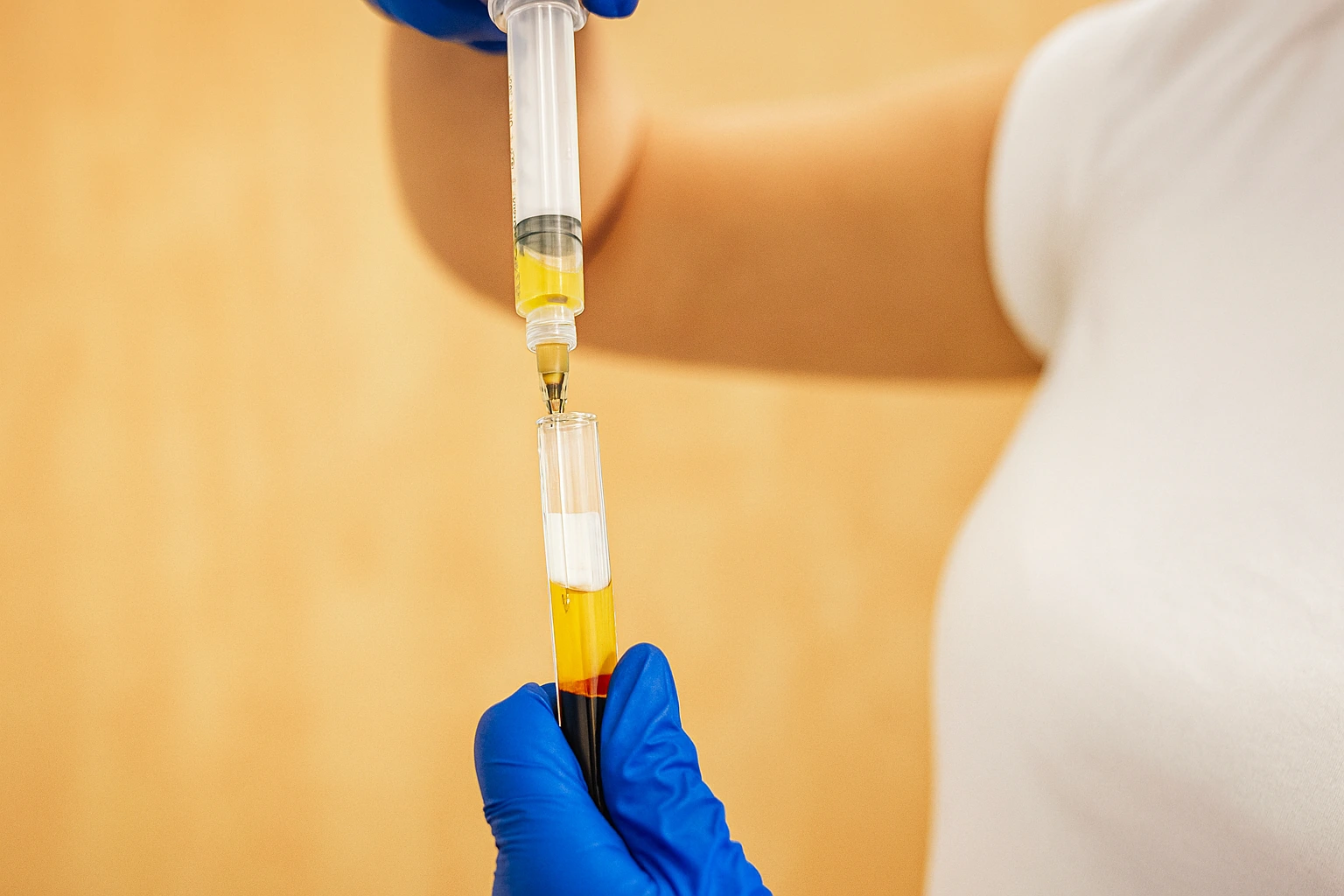
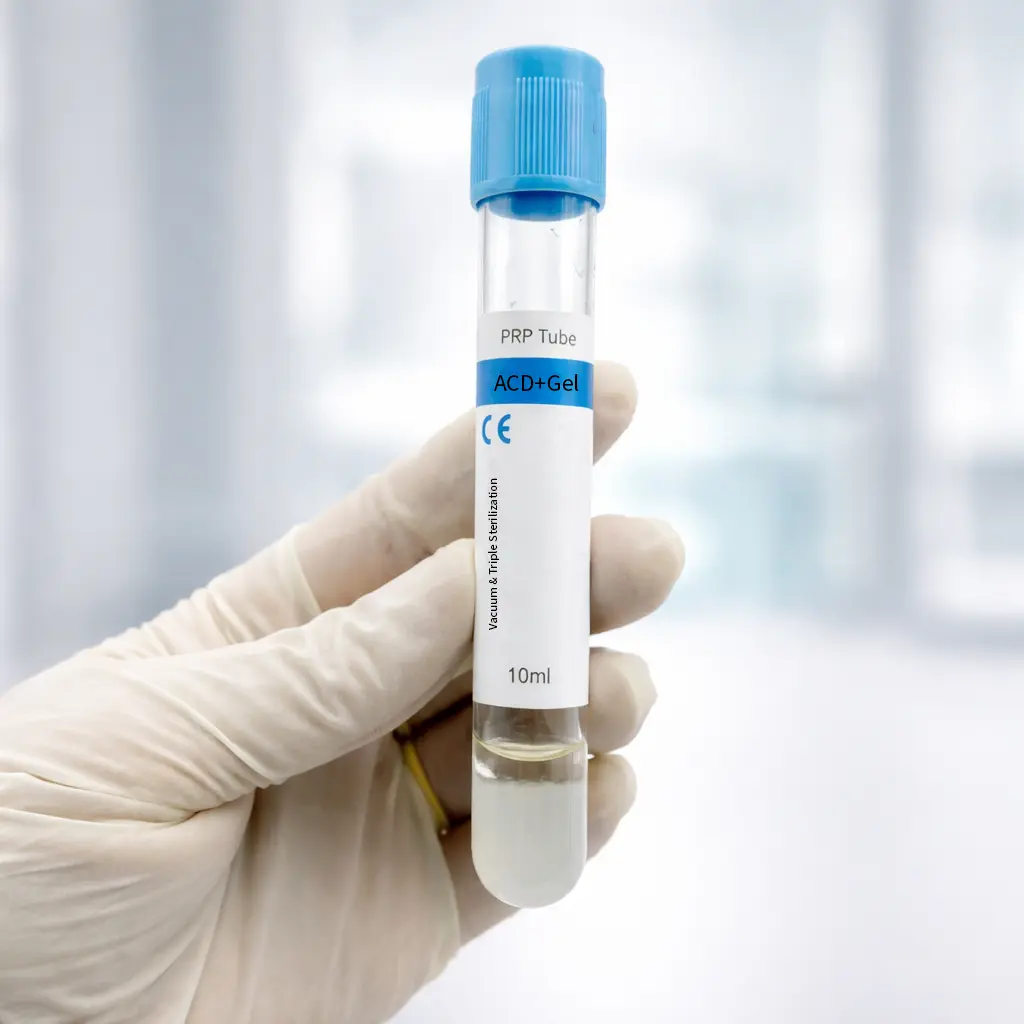
In 2026, most clinics performing PRP at scale are standardizing on PRP tubes with anticoagulant and separation gel.
Gel-based systems offer:
Cleaner separation between plasma and red blood cells
Lower risk of cellular contamination
Faster and more reproducible PRP extraction
Non-gel tubes may still be used in select research or low-volume settings, but for routine clinical practice, variability remains a concern.
Clinics comparing both approaches should review the practical differences between PRP tubes with gel vs without to align tube choice with treatment goals.
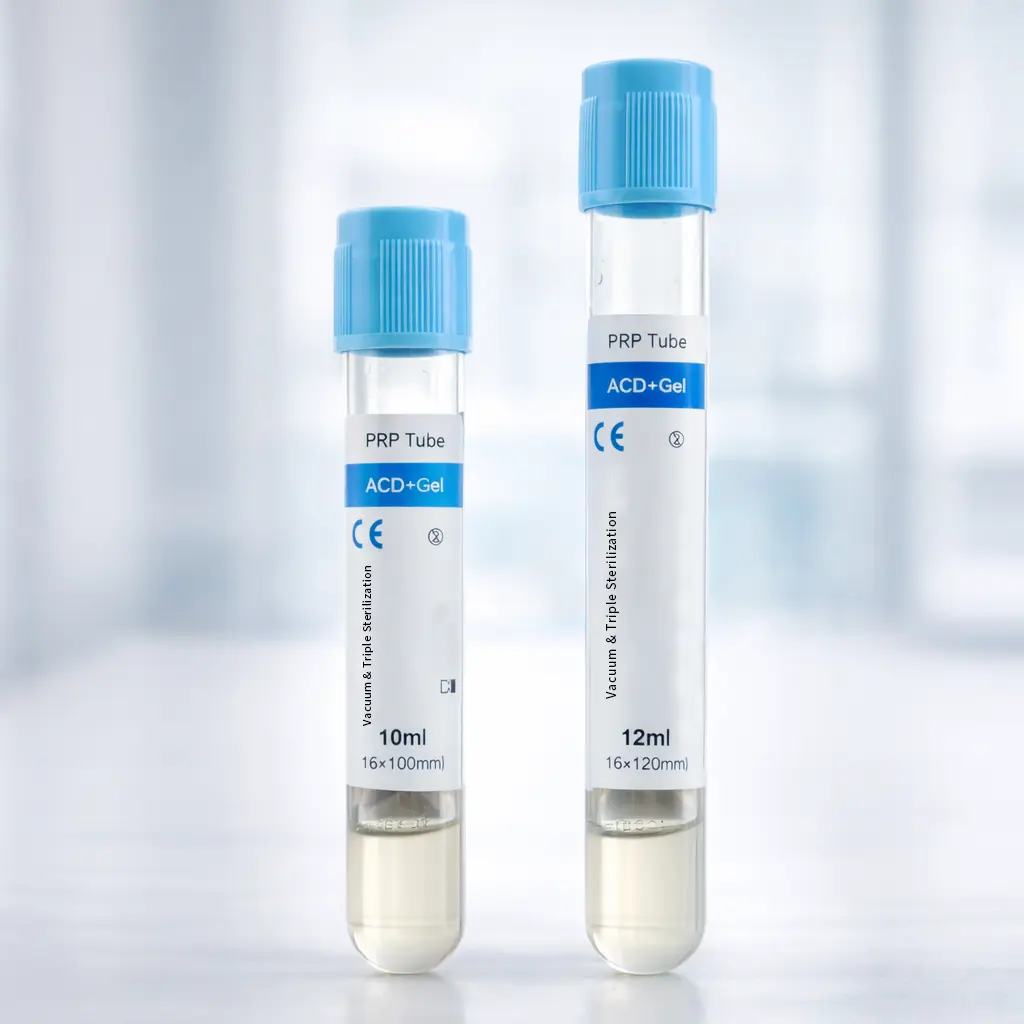
2. Tube Volume: 10 mL vs 12 mL
Rather than offering multiple tube sizes interchangeably, many clinics are standardizing on a single volume to simplify inventory and staff training.
10 mL tubes remain the most commonly standardized option for facial rejuvenation and scalp PRP
12 mL tubes are increasingly used in orthopedic or higher-volume indications
The key trend in 2026 is not “bigger is better,” but consistent volume across all protocols.
3. Centrifugation Protocol Consistency
Clinics in 2026 are moving away from “adjust per case” centrifugation and toward fixed, documented protocols.
A commonly standardized setting:
1900 RCF
10 minutes
Upright tube positioning
Gel-stabilized separation
This reduces variation between operators and allows clinics to reliably train new staff.
A step-by-step breakdown of standardized preparation can be found in guides such as How to Prepare PRP Using Classic PRP Tube, which many clinics now use as internal reference material.
put-prp-into-centrifuge
4. Inventory Strategy: Local Stock vs Overseas Sourcing
One of the biggest operational shifts entering 2026 is how clinics think about supply.
Delays, customs inspections, and unpredictable import fees have pushed many practices to prioritize local availability over marginal unit savings.
As a result:
Clinics with urgent or high-frequency PRP treatments often rely on PRP tubes in stock in the USA
Multi-location groups and hospitals increasingly use PRP tubes wholesale programs to maintain consistent supply and pricing
In 2026, supply reliability is no longer a purchasing detail — it’s part of risk management.
What Clinics Should Avoid in 2026
Based on observed practice issues, clinics are increasingly avoiding:
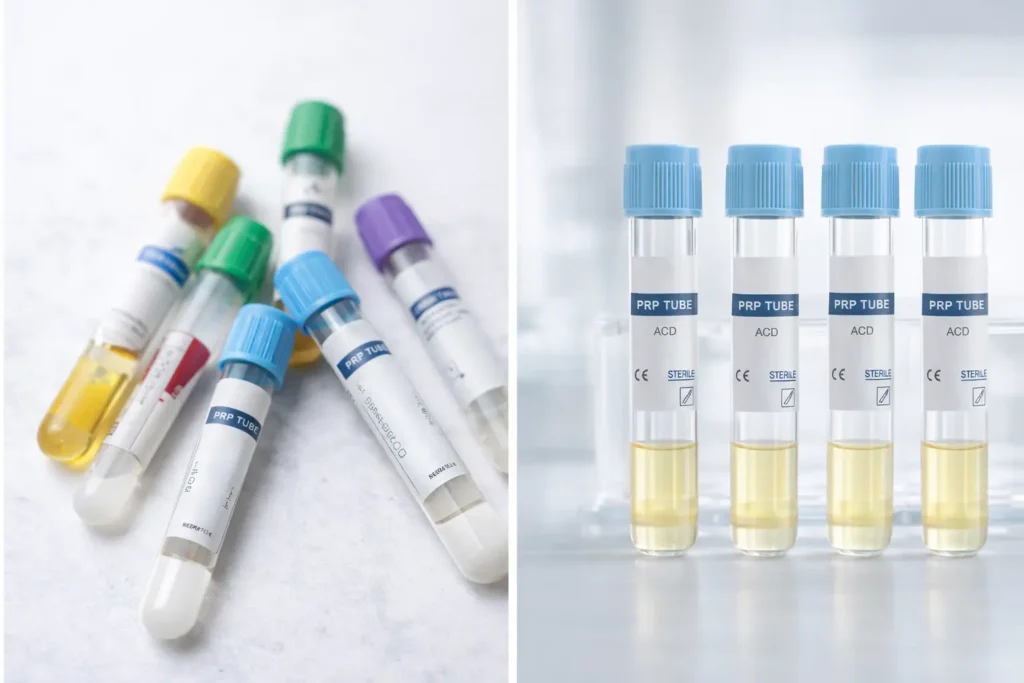
Mixing PRP, PRF, and activator-based tubes within the same treatment program
Using non-certified or poorly documented tubes
Changing tube brands frequently due to short-term pricing
Combining inconsistent centrifugation protocols with different tube designs
These practices often lead to:
Variable platelet concentration
Inconsistent clinical outcomes
Increased staff error and retraining costs
Standardization reduces all of the above.
USA-Based Supply vs International Shipping: The 2026 Reality
International sourcing is not disappearing — but clinics are becoming more selective.
USA-based inventory is preferred when:
PRP is performed daily or weekly
Treatment scheduling depends on predictable stock
Clinics want transparent pricing without surprise fees
International sourcing may still be viable for long-term bulk planning, but many clinics now split sourcing strategies to ensure continuity of care.
Frequently Asked Questions Clinics Are Asking in 2026
Do clinics still need PRP activators?
Many clinics are moving away from routine activator use, favoring natural platelet activation at the treatment site.
Is gel-based PRP safer?
Gel-based systems improve separation consistency and reduce unwanted cell contamination, which supports safer and more reproducible preparation.
What PRP tube size is most commonly used now?
10 mL remains the most standardized size for facial and scalp treatments, with 12 mL used selectively.
Should clinics standardize one PRP protocol?
Yes. Clinics that standardize reduce errors, training time, and outcome variability.
Standardization Is the Real Upgrade in 2026
In 2026, the clinics achieving the most consistent PRP outcomes are not those using the most complex systems — but those using clear, repeatable protocols supported by reliable consumables.
Standardizing PRP tubes, preparation steps, and supply strategy allows clinics to focus less on troubleshooting and more on patient care.
For clinics evaluating their PRP workflow this year, the focus should be simple: consistency, reliability, and availability.
Clinics searching for reliable PRP tubes in stock USA often choose suppliers with local inventory for faster turnaround, while larger practices may benefit from PRP tubes wholesale programs that support long-term protocol stability without supply disruptions.
Welcome to your professional skincare routine. The IPPOCARE Microneedling Pen/Electric Derma Pen is designed to enhance product absorption and improve skin texture through precision technology. Please read this guide thoroughly to ensure safe and effective use. Device Overview & Components The device features a streamlined design with adjustable intensity and
In the rapidly evolving landscape of hair restoration, Platelet-Rich Plasma (PRP) therapy has transitioned from a “premium add-on” to a clinical standard. However, as many practitioners discover, the secret to consistent hair density results isn’t just the centrifuge, it’s the chemistry of the collection tube. Choosing the wrong tube can
As PRP treatments continue to mature across aesthetics, dermatology, hair restoration, and orthopedics, clinics in 2026 are shifting away from experimentation and toward standardization. The question is no longer whether PRP works — it’s how consistently it can be prepared, delivered, and reproduced across patients, providers, and treatment days. And
En accédant à la page de la boutique, vous serez dirigé vers la version anglaise de notre site.
Vous pouvez choisir de continuer vers la boutique en anglais ou de nous contacter pour toute question.