Top 5 PRP Tubes for Hair Restoration Clinics (2026 Guide)
In the competitive field of hair restoration, your results—and your revenue—depend entirely on platelet recovery rates.
Many clinics bleed profit by either overpaying for “luxury” brand names or compromising results with inferior test tubes that fail to separate the buffy coat effectively. For a clinic owner, the equation is simple: You need a tube that delivers consistent 5x-7x baseline concentration without eating into your procedure margins.
In this 2026 guide, we compare the top 5 PRP tube options for medical clinics based on Yield Efficiency, Workflow, and Cost-Per-Unit.
For clinics performing 10+ hair restoration procedures a week, operational costs matter. IPPOCARE has positioned itself as the leading wholesale supplier for US-based aesthetics clinics by cutting out the “middleman markup” typical of big pharma brands.
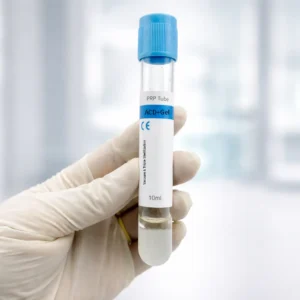
The IPPOCARE Classic Tube utilizes a precise Sodium Citrate (ACD) anticoagulant combined with a high-density separation gel. This gel creates a distinct barrier between the Red Blood Cells (RBC) and the plasma, making it easy for staff to extract the “Liquid Gold” without contamination.
Pros: ✅ High Yield: Consistent separation of the buffy coat. ✅ USA Stock: Fast shipping from local warehouses (no customs delays).
Cons: Not sold in retail pharmacies (Direct B2B only).
Ideal For: Dermatologists and Hair Clinics looking to lower overhead without sacrificing result quality.
RegenLab is often considered the “iPhone” of PRP. They are a Swiss brand known for consistent quality and extensive marketing. Their tubes work flawlessly, but they command a premium price that can be 3x-4x higher than comparable medical-grade alternatives.
Pros: Extremely high brand recognition; consistent platelet recovery.
Cons:Cost. The high price per unit forces clinics to charge patients significantly more, potentially lowering conversion rates.
Ideal For: Clinics that charge premium “luxury” prices ($1,500+ per session) where overhead is not a concern.
3. Selphyl (The Fibrin Matrix System)
Selphyl markets itself as “PRFM” (Platelet-Rich Fibrin Matrix). Their system uses a secondary chemical reaction (Calcium Chloride) to turn the PRP into a gel-like matrix. While this is excellent for facial fillers (under eyes), it can be cumbersome for standard scalp injections where liquid flow is preferred.
Pros: Creates a “scaffold” for longer-lasting growth factor release.
Cons:Slow Workflow. The preparation takes longer (20+ minutes), and the thicker consistency requires larger gauge needles, which can be more painful for scalp injections.
Ideal For: Facial rejuvenation clinics that occasionally do hair.
4. Dr. PRP (The Manual Kit)
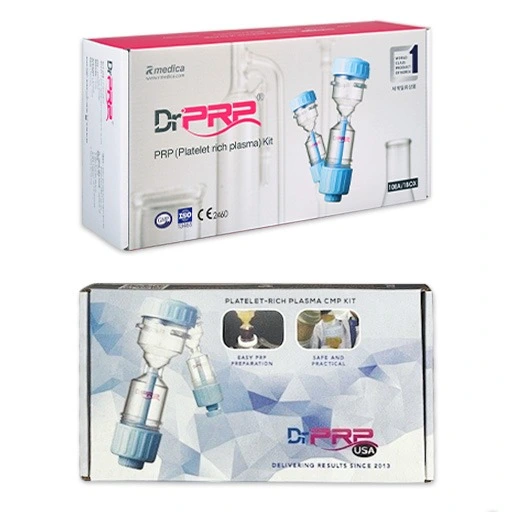
The Dr. PRP system is a mechanical “kit” rather than a simple vacuum tube. It involves a unique shape that allows the doctor to manually adjust the buffy coat level.
Pros: Highly customizable concentration. You can “tune” the PRP.
Cons:Human Error. Because it is manual, the quality of the PRP depends entirely on the skill of the technician. It also introduces more steps and open-air risks compared to closed-vacuum tubes.
Ideal For: Orthopedic surgeons who need very specific volumes.
5. Standard Yellow/Red Top Tubes (The “Stay Away” Option)
Some clinics try to save money by buying generic blood collection tubes (BD Vacutainers) intended for diagnostic labs. This is a critical mistake.
Wrong Anticoagulant: Many use EDTA or Heparin, which can damage platelets or cause burning sensations upon injection.
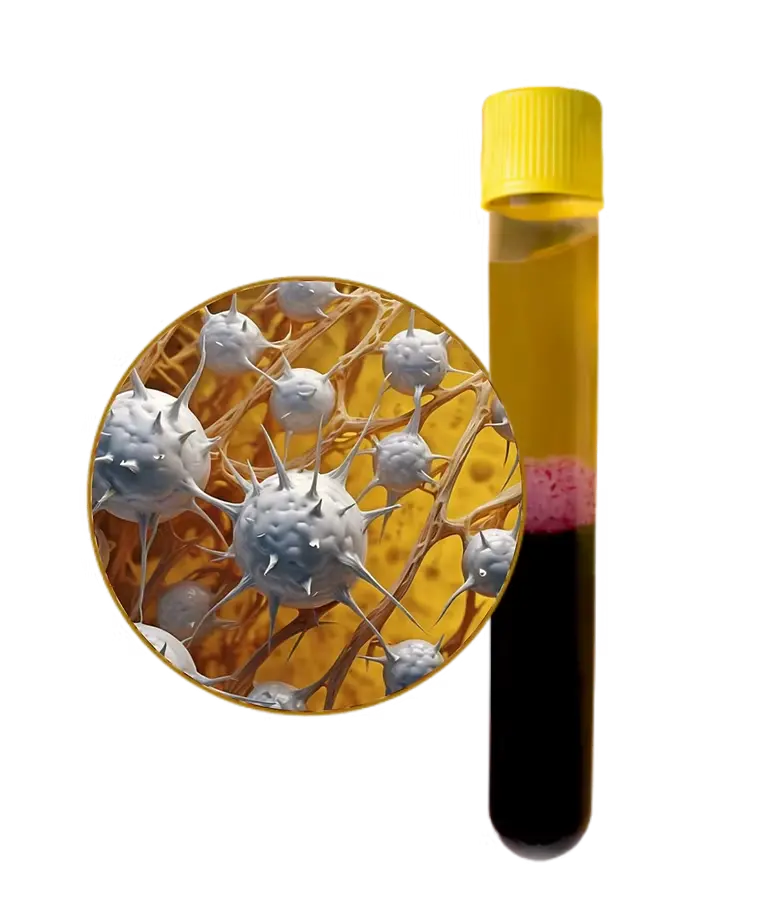
No Separation Gel: Without the specific gravity gel, RBCs easily remix with the plasma, resulting in “red PRP” that causes inflammation and poor hair growth.
Pyrogen Risk: Lab tubes are not always certified “Pyrogen-Free” for re-injection purposes.
Conclusion: Never risk your clinic’s reputation on $0.50 lab tubes.
Which Tube Maximizes ROI?
For most Hair Restoration Clinics in 2026, the goal is balancing efficacy with profitability.
If you want the absolute highest brand name recognition and don’t care about cost: Choose RegenLab
If you need a reliable, medical-grade daily driver that maximizes your profit margin: Choose IPPOCARE.
Ready to upgrade your clinic’s supplies?[Button: Buy Ippocare 10ml PRP Tubes (USA Warehouse)][Button: Contact Us for Bulk Distribution]
What is the best centrifuge speed for 10ml PRP tubes?
We recommend a specific G-Force of 1900 RCF for 10 minutes to achieve optimal platelet recovery. Important: Do not rely solely on RPM, as 3500 RPM on a small rotor is different from 3500 RPM on a large rotor. Recommendation: Check your centrifuge manual to convert 1900 RCF to the correct RPM for your specific device model.
Can I buy PRP tubes wholesale in the USA?
Yes. IPPOCARE maintains a US-based warehouse to supply clinics and hospitals with wholesale medical-grade PRP tubes, ensuring fast delivery without customs delays.
Why choose ACD solution over Heparin for PRP?
Sodium Citrate (ACD) preserves platelet structure and viability better than Heparin. Heparin can activate platelets prematurely and often causes stinging pain for the patient during injection.
Welcome to your professional skincare routine. The IPPOCARE Microneedling Pen/Electric Derma Pen is designed to enhance product absorption and improve skin texture through precision technology. Please read this guide thoroughly to ensure safe and effective use. Device Overview & Components The device features a streamlined design with adjustable intensity and
In the rapidly evolving landscape of hair restoration, Platelet-Rich Plasma (PRP) therapy has transitioned from a “premium add-on” to a clinical standard. However, as many practitioners discover, the secret to consistent hair density results isn’t just the centrifuge, it’s the chemistry of the collection tube. Choosing the wrong tube can
As PRP treatments continue to mature across aesthetics, dermatology, hair restoration, and orthopedics, clinics in 2026 are shifting away from experimentation and toward standardization. The question is no longer whether PRP works — it’s how consistently it can be prepared, delivered, and reproduced across patients, providers, and treatment days. And
En accédant à la page de la boutique, vous serez dirigé vers la version anglaise de notre site.
Vous pouvez choisir de continuer vers la boutique en anglais ou de nous contacter pour toute question.